Global Advocacy
United Nations
Working with India's Permanent Mission to the UN on healthcare, tuberculosis policy, and multilingual access at the global stage.
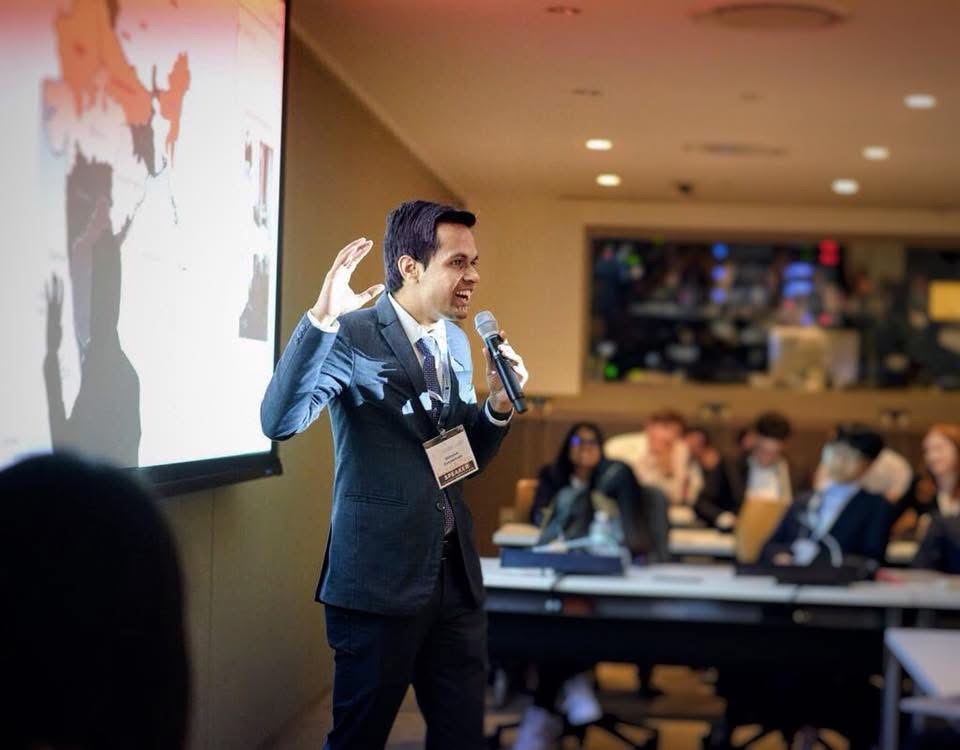
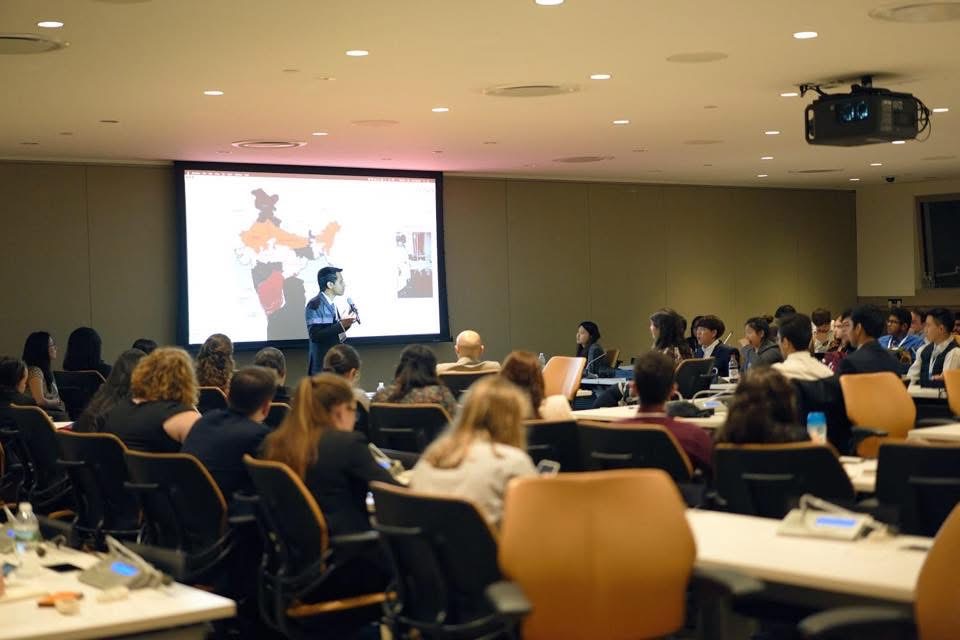
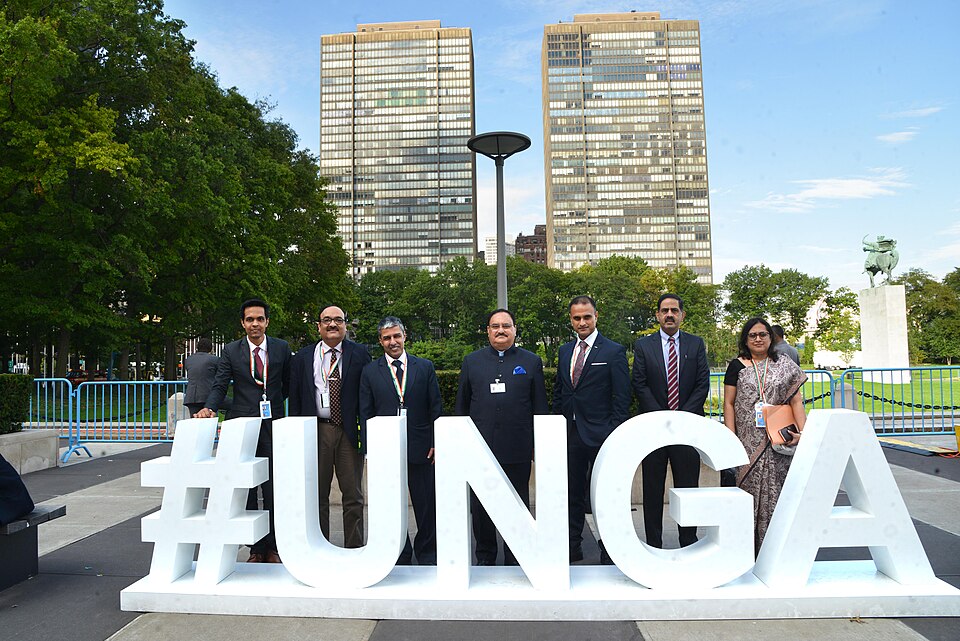
The United Nations General Assembly is where the world's biggest problems get debated, negotiated, and sometimes, actually addressed. I had the opportunity to work with India's Permanent Mission to the UN, contributing to the work of the Third Committee, which focuses on social, humanitarian, and cultural issues.
My involvement centered on something deeply personal: healthcare access. Specifically, I helped shape the Tuberculosis Draft Resolution that was adopted at the 73rd General Assembly. Tuberculosis kills more than a million people every year, and India bears a disproportionate share of that burden. The resolution pushed for stronger commitments to TB prevention, treatment, and research funding from member states.
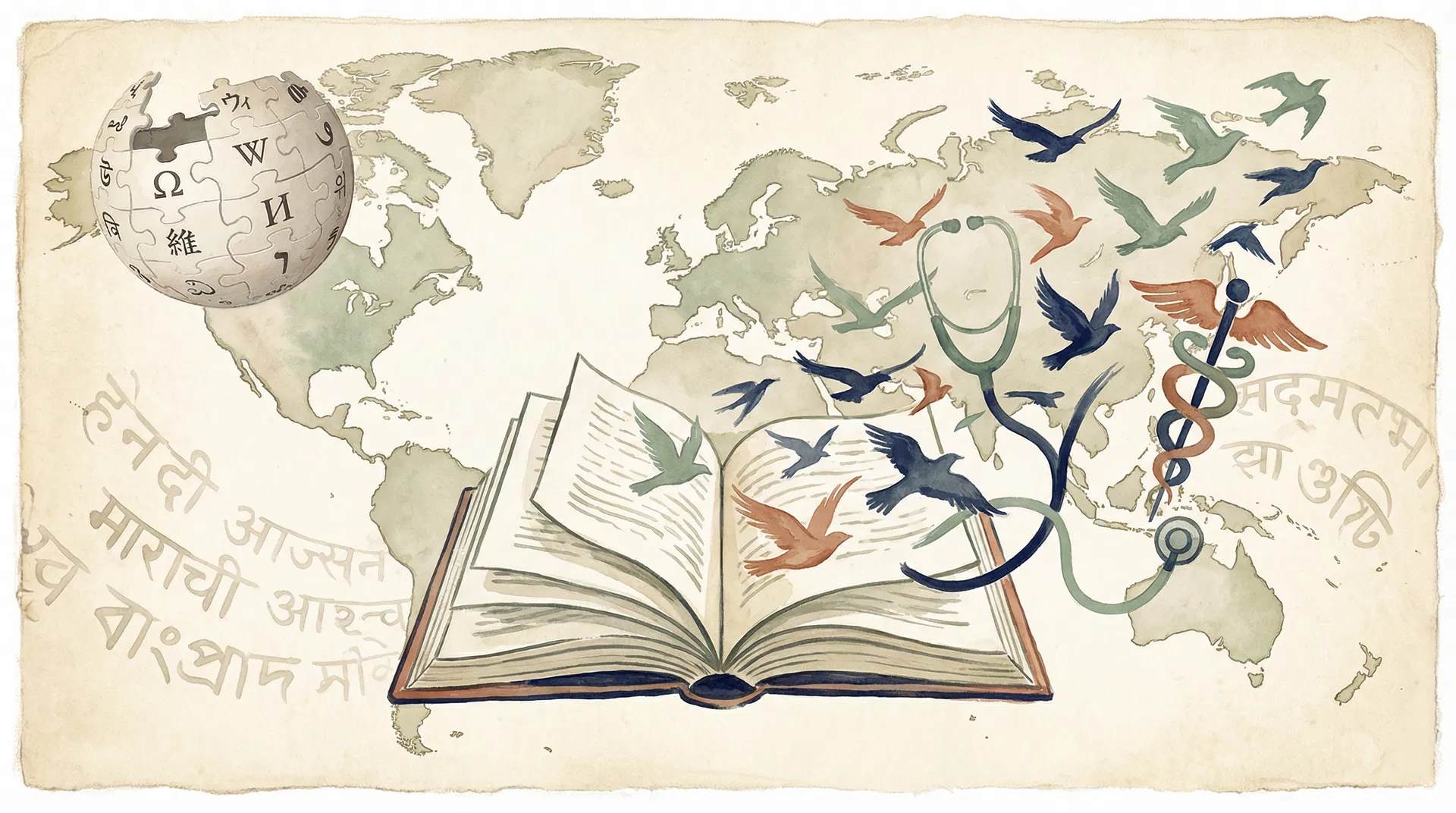
But my work at the UN went beyond a single resolution. I advocated for multilingual access to health information, the same mission that drives my Wikipedia and SWASTHA work, but at the level of international policy. When you're speaking at the UN about why health information needs to exist in local languages, you're not just making an argument. You're asking the world to recognize that language is a human rights issue.
73rd
General Assembly
TB
Draft Resolution
193
Member States
3rd
Committee (Social/Humanitarian)
"When you're speaking at the UN about why health information needs to exist in local languages, you're not just making an argument. You're asking the world to recognize that language is a human rights issue.
At the United Nations
Key Contributions
Tuberculosis Draft Resolution
Contributed to the TB Draft Resolution adopted at the 73rd General Assembly. The resolution called for stronger commitments to TB prevention, treatment, and research funding, addressing a disease that kills over a million people annually and disproportionately affects developing nations.
Third Committee Work
Worked with India's Permanent Mission on the Third Committee, which handles social, humanitarian, and cultural affairs. This included advocating for healthcare access, digital inclusion, and the recognition of language barriers as a public health issue.
Multilingual Health Advocacy
Advocated for multilingual access to health information at the international policy level. The same principles that drive Wikipedia's SWASTHA project were brought to the UN floor: health information in local languages saves lives, and it should be a global priority.
Bridging Local and Global
Brought the perspective of grassroots work in Indian communities to the global stage. The experience of building health content in Marathi and Hindi for Wikipedia informed the arguments made at the UN about why local language access matters for public health outcomes.
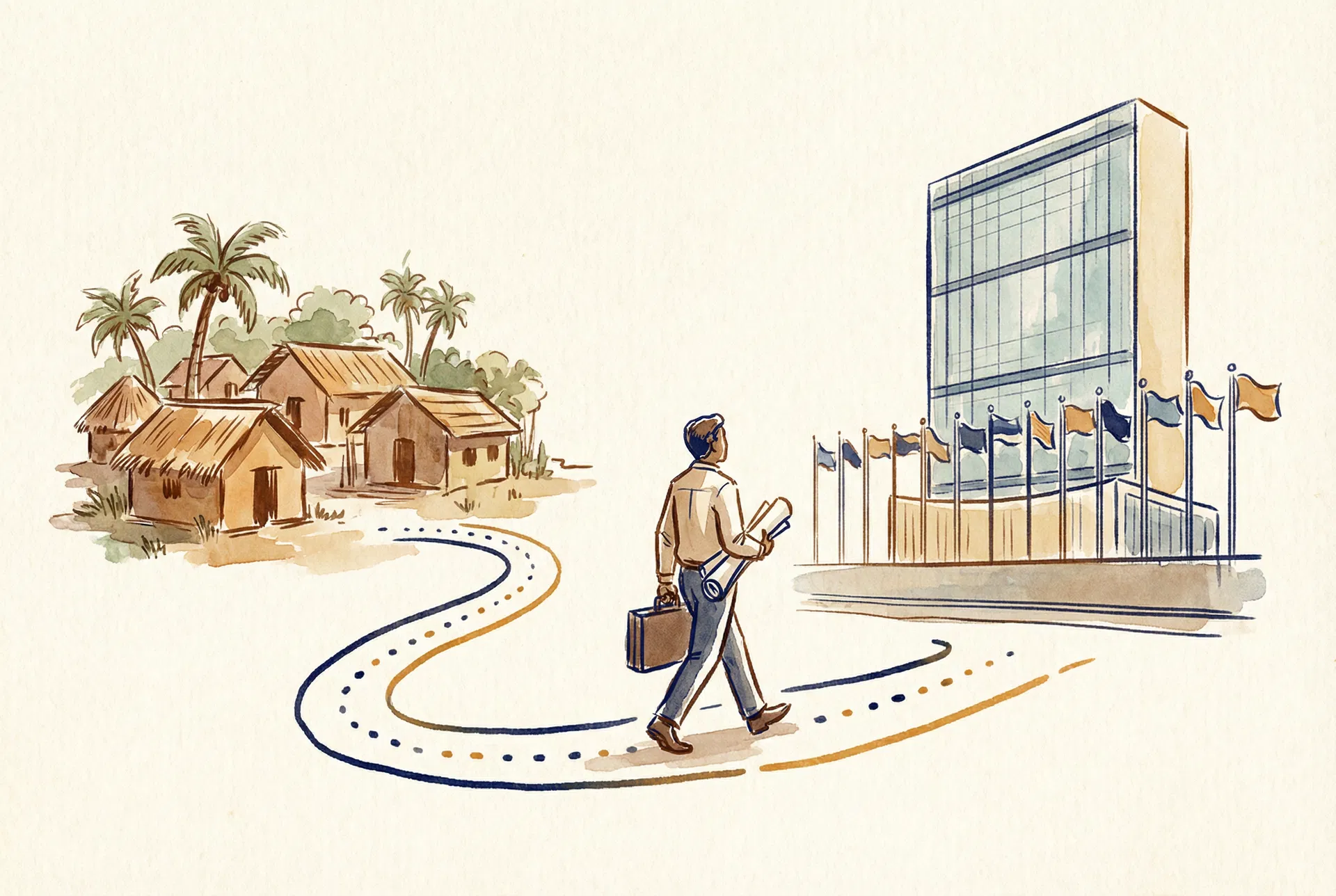
From Villages to the General Assembly
There's a direct line between a mother in rural Maharashtra searching for health information in Marathi and a resolution being debated at the UN General Assembly. The problems are the same: people don't have access to the information they need, in a language they understand, about conditions that affect their lives.
Working at the UN taught me that policy and grassroots work need each other. You can build the best Wikipedia health articles in the world, but without policy frameworks that prioritize local language access, the structural barriers remain. And you can pass the most ambitious UN resolutions, but without people on the ground doing the actual work of translation and community education, those resolutions stay on paper.
My goal has always been to connect these two worlds. The UN work gave me a platform to do that at the highest level of international policy.
How This Connects
The United Nations is where local work meets global policy. Every area of my work, from Wikipedia to healthcare to language advocacy, converges at the UN.
Wikipedia
SWASTHA's grassroots health content work directly informed UN advocacy for multilingual access.
TED & TEDx
Speaking at TED and the UN share the same goal: amplifying ideas that can change lives.
Healthcare
The TB resolution and healthcare advocacy at the UN are extensions of the SWASTHA mission.
Languages & Policy
UN advocacy for local languages connects directly to Maharashtra government policy work.