The Language Bridge
Languages & Policy
I studied in Marathi medium schools. English was a barrier that took years to overcome. Now I work to make sure language is never a barrier to knowledge.
I grew up studying in Marathi medium schools. Everything I learned, every exam I took, every book I read was in Marathi. English was a foreign language, and it took me years to learn it well enough to access the global knowledge that was locked behind it. That experience shaped my worldview in a fundamental way: no one should have to learn another language just to access basic information about their health, their rights, or the world around them.
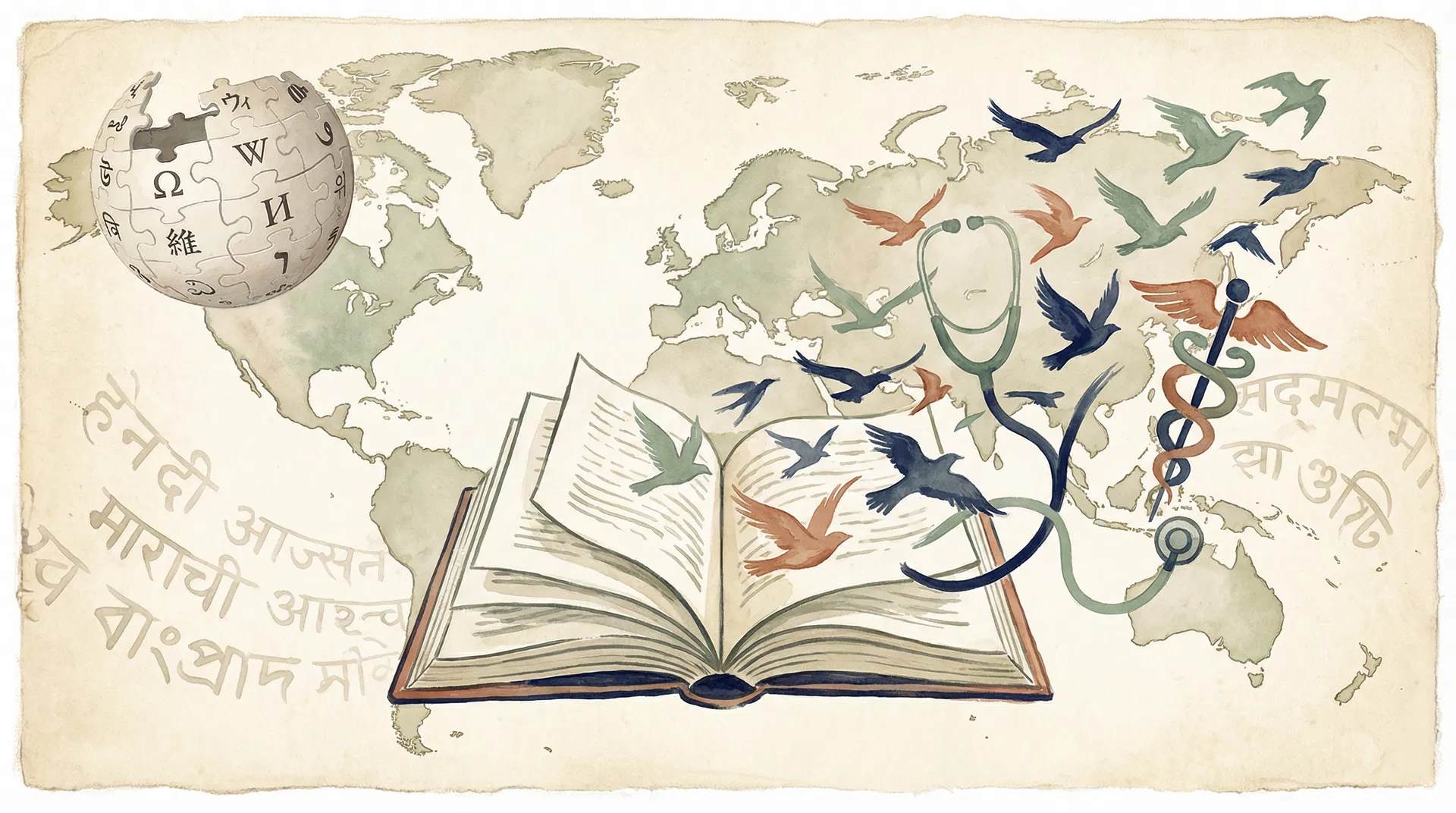
My focus has always been on reducing that entry-level barrier. Whether it's localizing Wikipedia articles, translating TED talks, or advocating at the United Nations for local languages, the goal is the same: make sure the friction of language doesn't stand between people and the knowledge they need. Even at the UN, I advocated for the recognition and digital inclusion of local languages, because policy shapes what technology prioritizes.
30+
Languages Served
83M+
Marathi Speakers
190+
Countries Reached
1
Government Appointment
Government of Maharashtra: International Liaison
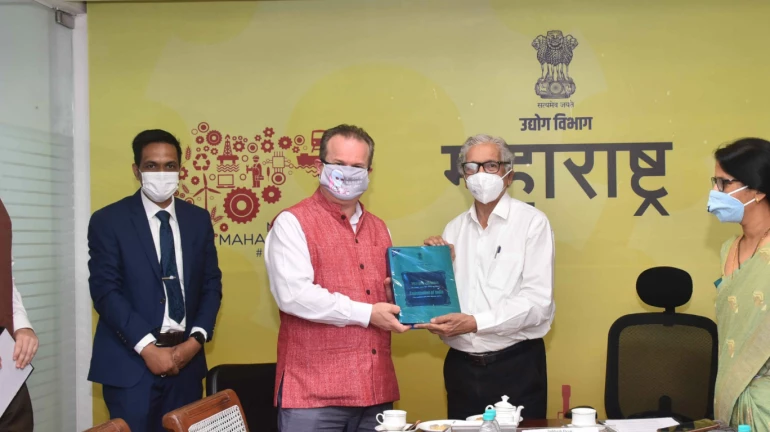
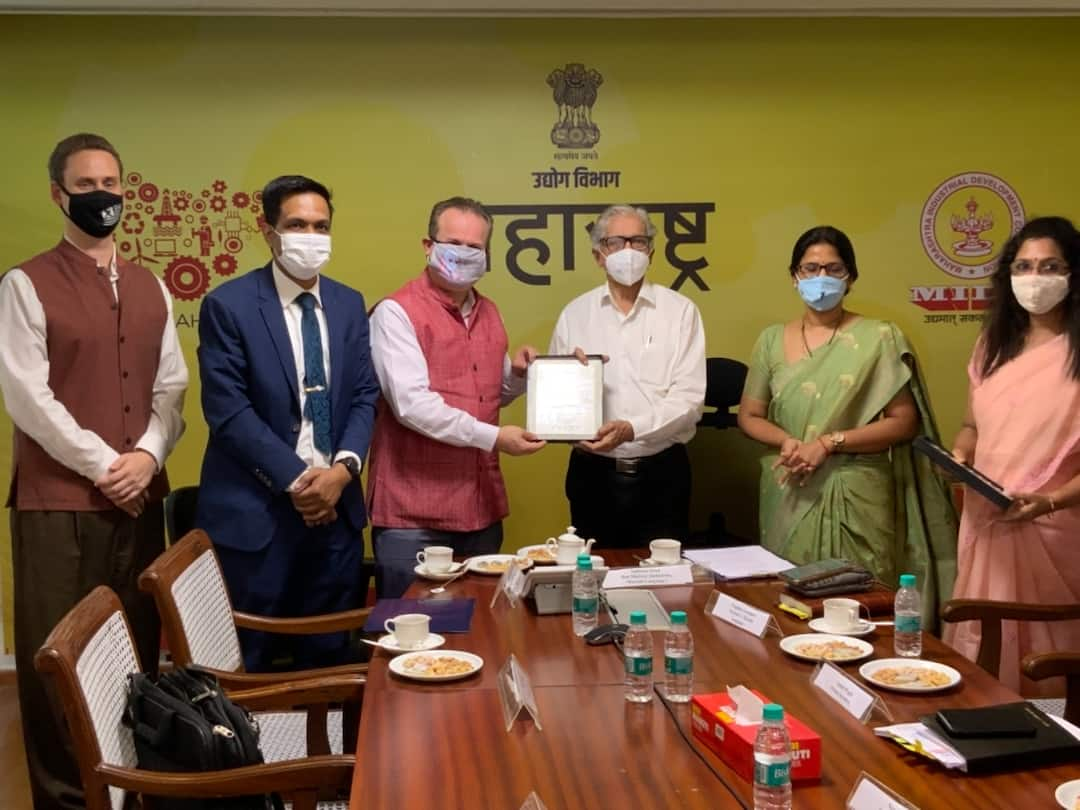
The Government of Maharashtra appointed me as International Liaison for the Marathi language, a role that recognizes the intersection of my work in technology, Wikipedia, and language advocacy. Marathi is spoken by over 83 million people, making it one of the most widely spoken languages in the world. Yet its digital presence, particularly in areas like healthcare, education, and technology, doesn't reflect that scale.
I helped the Government of Maharashtra start Antarrashtriy Marathi Manch, an international platform for promoting Marathi globally. Under this initiative, the Government of Maharashtra passed a resolution and appointed me as International Liaison. I bridged the gap between the Marathi Language Department and the U.S. Consulate in Mumbai, creating programs that brought Marathi language coaching to American students and facilitated cultural exchange.
It's a natural extension of everything I've been doing for years. The difference is that now there's an institutional framework supporting the work, and the impact can be more systematic. When a government recognizes that language access is a technology problem as much as a cultural one, real change becomes possible.
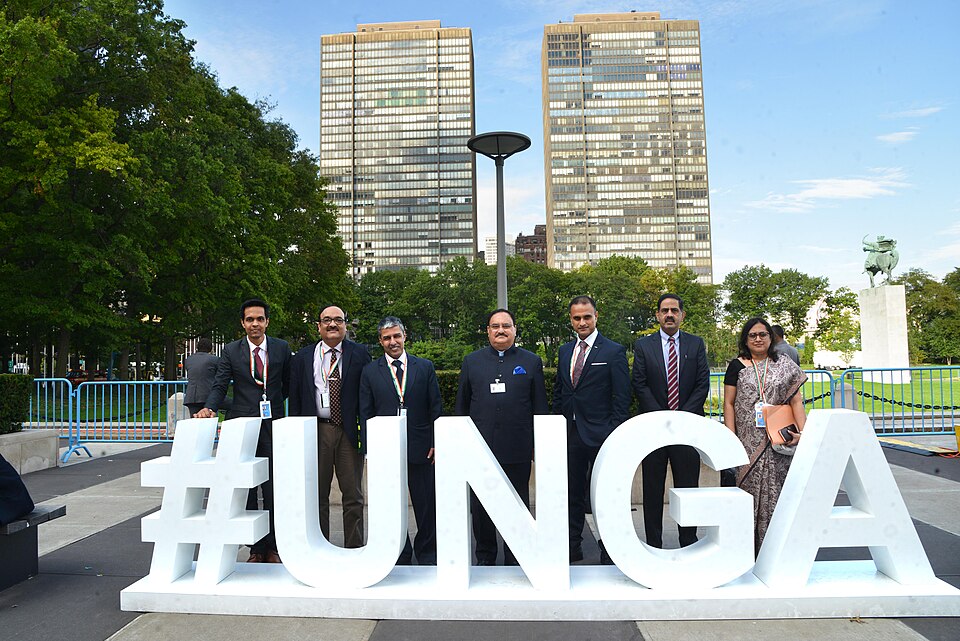
Indian delegation at the United Nations General Assembly
Bridging Marathi and the World
"When a government recognizes that language access is a technology problem as much as a cultural one, real change becomes possible.
Language as the Common Thread
If there's one thing that connects every part of my work, it's language. Wikipedia needs content in local languages. TED talks need translation. AI tools need to work in languages beyond English. Rare disease information needs to reach patients in their mother tongue. Government services need to be accessible in the language people actually speak.
Language isn't just a communication tool. It's a gateway. When information exists only in English, it's effectively invisible to the majority of the world's population. When a Wikipedia article about a life-threatening disease is only available in English, it fails the very people who need it most. When AI tools only understand English commands, they exclude billions of potential users.
My work across Wikipedia, TED, AI, and government policy all converges on this single insight: language access is the foundation of knowledge access. Everything else, technology, policy, community building, is a means to that end.
Key Areas of Language Work
Government Language Policy
Working with the Government of Maharashtra to strengthen Marathi's digital presence, improve language technology support, and connect state-level initiatives with global platforms and organizations.
Wikipedia Localization
Leading the effort to culturalize Wikipedia content across 30+ Indian languages. Not just translation, but adapting content so it's culturally relevant and medically accurate for local audiences.
AI for Indian Languages
Advocating for and building AI tools that work effectively in Marathi, Hindi, and other Indian languages. This includes working with Pickaxe AI and Manus to ensure their platforms support multilingual communities.
Academic Research
At Harvard and UVA, researching the digital public sphere and its impact on language diversity. My work examines how platform policies and algorithms can either promote or marginalize non-English languages.