Knowledge Saves Lives
Healthcare
I survived because I got access to healthcare even in a remote village in India. Now I work to make sure technology helps everyone get that same access.
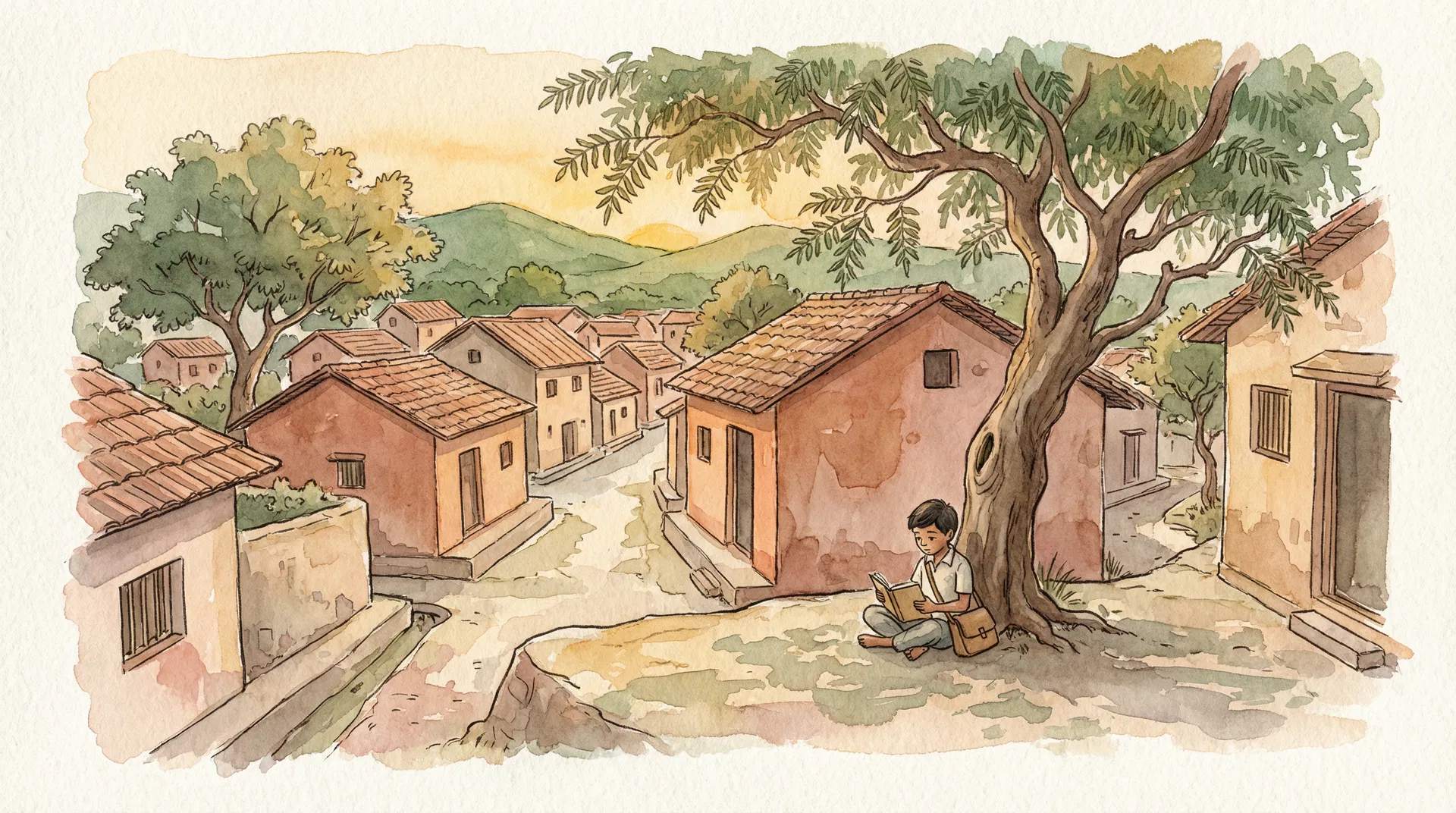
Growing up in a small village in Maharashtra, I had asthma for my early years. It limited what I could do, where I could go, how I could play. But I was lucky. I had access to a doctor, to medicine, to information about how to manage it. That access changed the trajectory of my life. It helped me adjust, adapt, and eventually overcome the limitations.
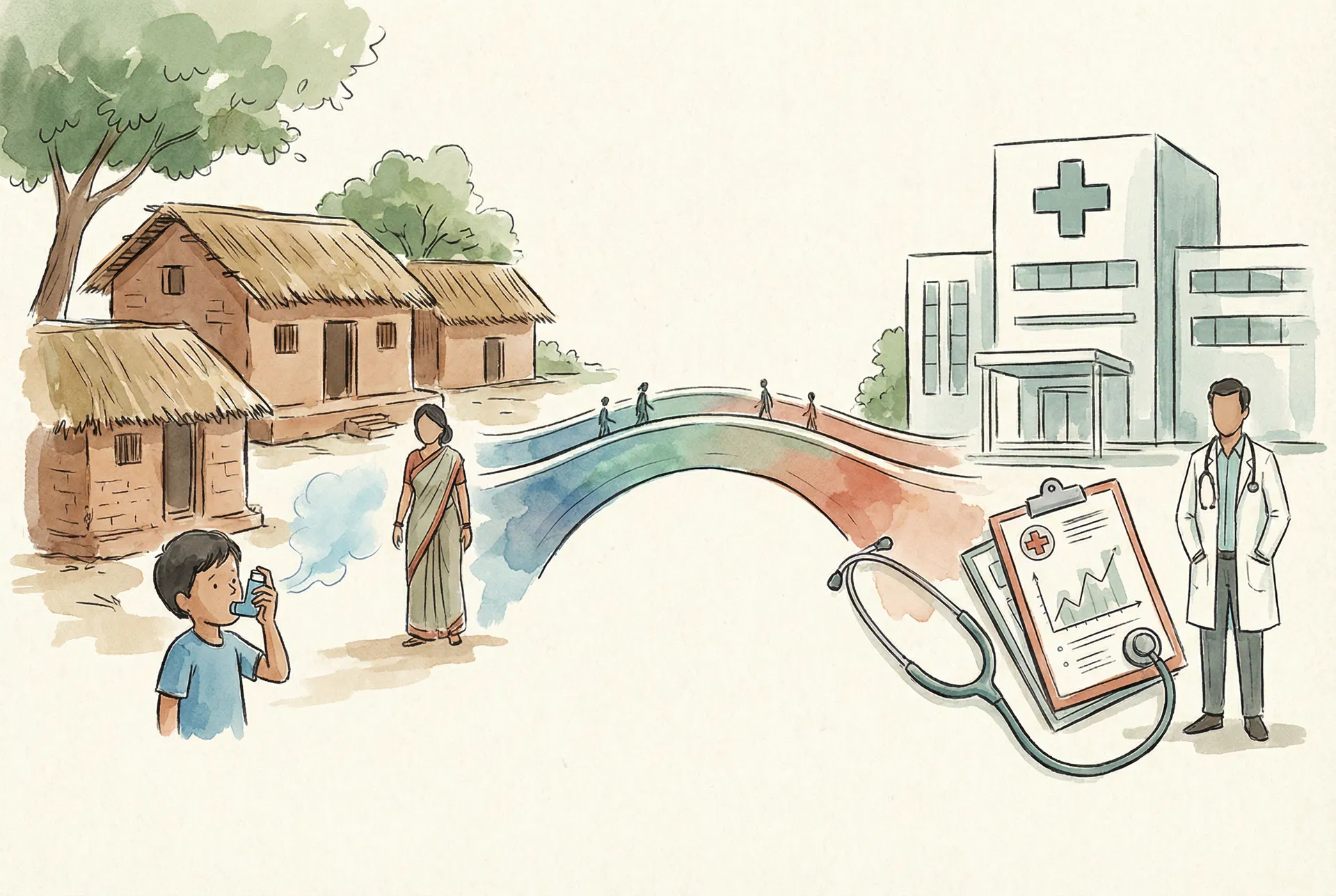
Not everyone gets that. Millions of people in India and across the developing world lack access to basic healthcare information in a language they understand. A mother searching for her child's symptoms finds nothing in Marathi. A farmer experiencing chest pain has no reliable health resource in Hindi. That gap between having information and not having it can be the difference between life and death. That realization drives everything I do in healthcare.
300M+
People Reached via SWASTHA
30+
Languages for Health Content
1st
Wikipedia Article on Congenital Anosmia
190+
Countries Impacted
Wikipedia SWASTHA: Healthcare for All Languages
SWASTHA (Strengthening Wikipedia's Accessibility for Sustainable and Trustworthy Health Awareness) is the project I'm most proud of. It started from a simple observation: when someone in rural India gets sick, they often turn to the internet for information. But the health articles on Wikipedia were overwhelmingly in English. If you spoke Marathi, Hindi, Tamil, or any of India's other languages, the information simply wasn't there.
SWASTHA changed that. Working with the Wikimedia Foundation, medical professionals, and volunteer translators, we built a systematic approach to creating and translating health articles across Indian languages. We partnered with the US Consulate, organized edit-a-thons at medical colleges, and trained hundreds of volunteers to write accurate, well-sourced health content.
The impact has been measurable. Millions of people now access health information in their own language because of articles created through SWASTHA. During the COVID-19 pandemic, this work became even more critical as misinformation spread rapidly and accurate, locally accessible health content became a matter of life and death.
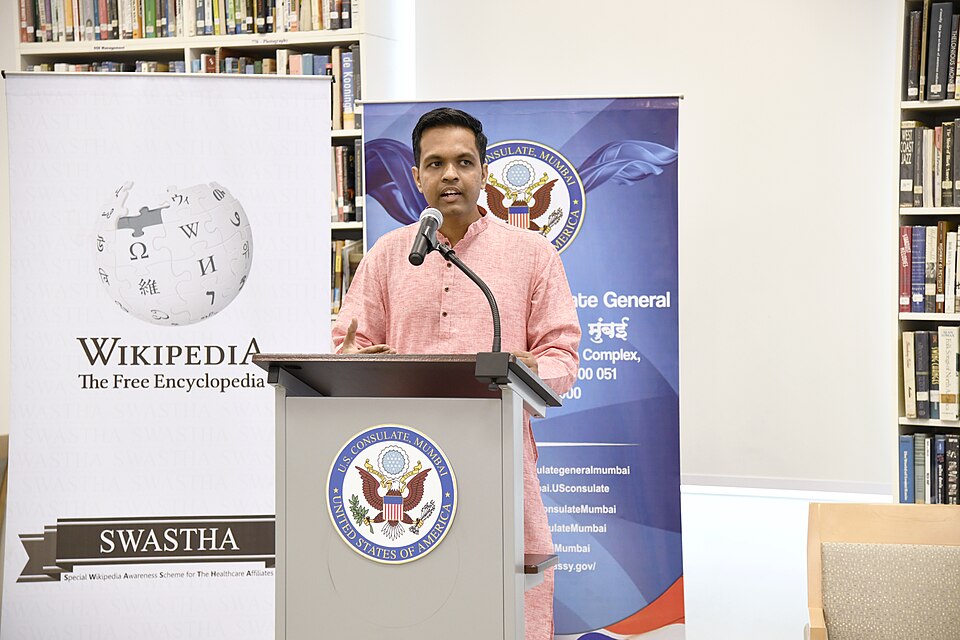
Speaking at a WikiSWASTHA event hosted at the US Consulate
"When a mother in rural Maharashtra searches for her child's symptoms, she deserves to find accurate health information in Marathi. That's not a luxury. That's a right.
Beyond Physical Health
Mental Health Awareness Campaigns
Mental health carries enormous stigma in many Indian communities. Through Wikipedia, we've organized campaigns to create and improve mental health articles in Indian languages. Depression, anxiety, PTSD, bipolar disorder: these conditions affect millions, but the vocabulary and awareness barely exist in many local languages. Our campaigns at medical colleges and community centers have trained volunteers to write about mental health in ways that are culturally sensitive and medically accurate.
Spoken Wikipedia for the Visually Impaired
Not everyone can read a Wikipedia article. The Spoken Wikipedia Project creates audio versions of articles, making knowledge accessible to people who are visually impaired or who prefer listening over reading. I've been involved in expanding this initiative to Indian languages, working with volunteers to record health articles in Hindi, Marathi, and other languages. For someone who can't see a screen, hearing a well-narrated article about their health condition can be transformative.
Born Without Smell: A Personal Mission
I was born without a sense of smell. For most of my life, I didn't even have a word for it. Growing up in a small village in Maharashtra, nobody talked about anosmia. Doctors didn't test for it. Teachers didn't know about it. It was just something I lived with, quietly, assuming everyone experienced the world the same way I did.
It wasn't until much later that I learned the term \"congenital anosmia,\" the condition of being born without a sense of smell. And when I searched for it on Wikipedia, the article didn't exist. Not in English, not in Hindi, not in Marathi. For a condition that affects an estimated 1 in 10,000 people, there was essentially no accessible information online.
So I wrote it. I created the Wikipedia article on congenital anosmia, drawing on medical literature, personal experience, and consultations with researchers. It was one of the most personal things I've ever done on Wikipedia, and it became one of the most meaningful. That experience crystallized everything SWASTHA stands for: if the information doesn't exist, create it. If it exists only in one language, translate it. If people can't read it, speak it aloud.
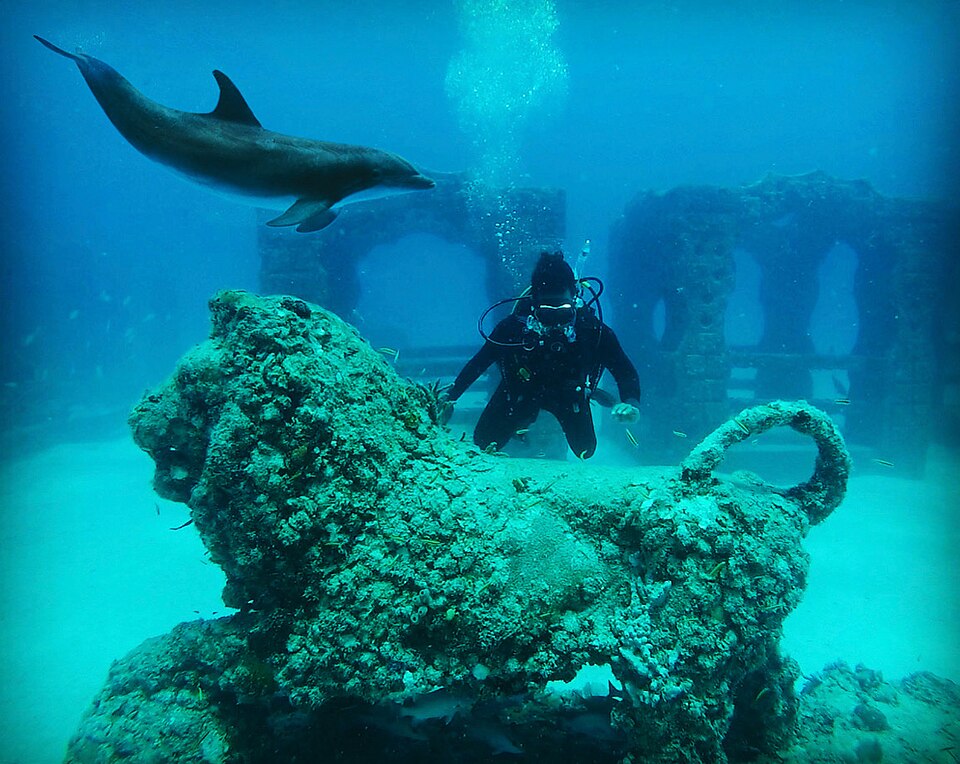
Scuba diving with dolphins in Miami. Experiencing the ocean through senses other than smell.
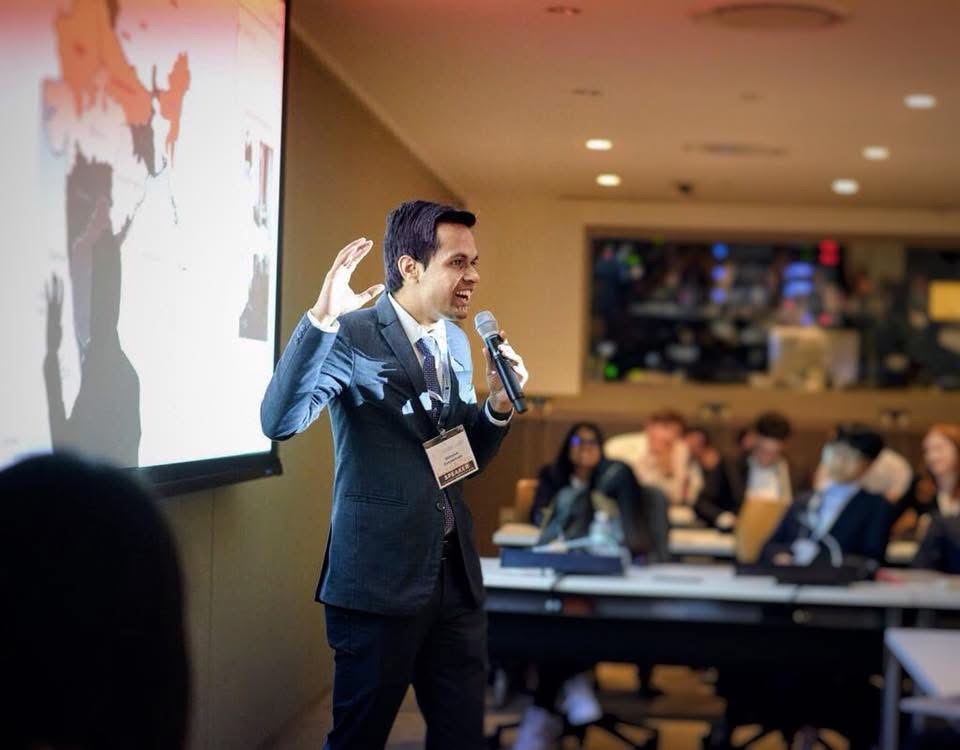
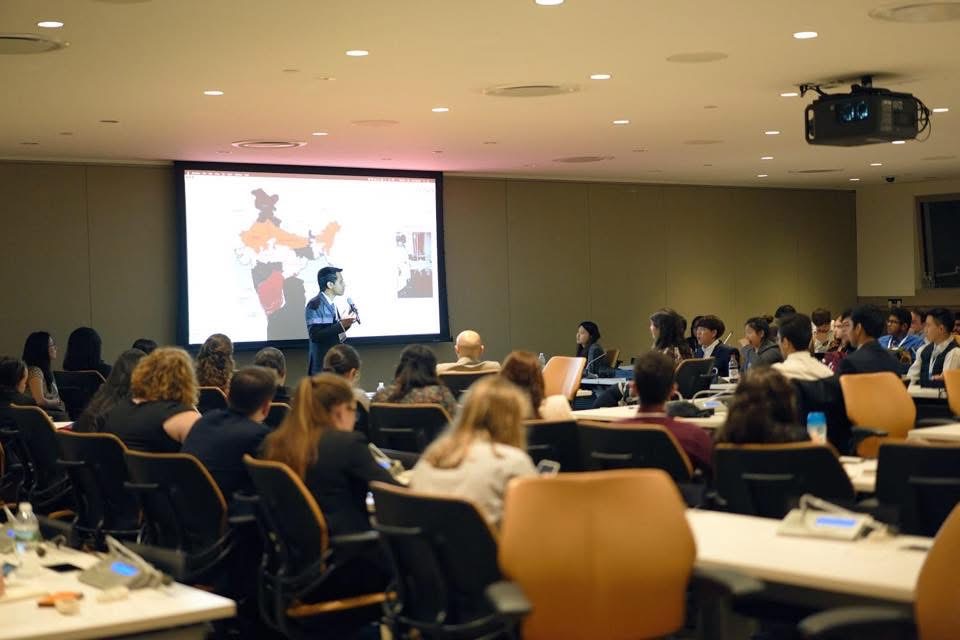
Speaking at the United Nations
Presenting on healthcare access and multilingual information at the United Nations, advocating for the right of every person to access health information in their own language.
Research & Advocacy Collaborations
Monell Chemical Senses Center
Monell is the world's leading research institute for the science of taste and smell, based in Philadelphia. I've collaborated with their researchers to improve the accuracy and depth of anosmia-related content on Wikipedia and to raise awareness about smell disorders in underrepresented populations.
Fifth Sense
Fifth Sense is a UK-based charity dedicated to supporting people affected by smell and taste disorders. Working with them, I've helped expand their outreach to Indian communities and contributed to resources that help people understand and cope with the loss of smell.
Global Consortium for Chemosensory Research
The GCCR is a global group of scientists and patient advocates formed during the COVID-19 pandemic to study the virus's impact on smell and taste. I've been a patient advocate with them, helping to translate their research findings into accessible language for a global audience and ensuring the patient perspective is included in their work.