Ideas Worth Spreading
TED & TEDx
One of the first TEDx organizers in India. 50+ events in two years. From five-star hotels to slum communities, making sure ideas reach everyone.
50+
TEDx Events in First Two Years
2009
Among First TEDx Organizers in India
1st
TEDx in Slum Communities
10+
Languages Translated
Starting TEDx in India
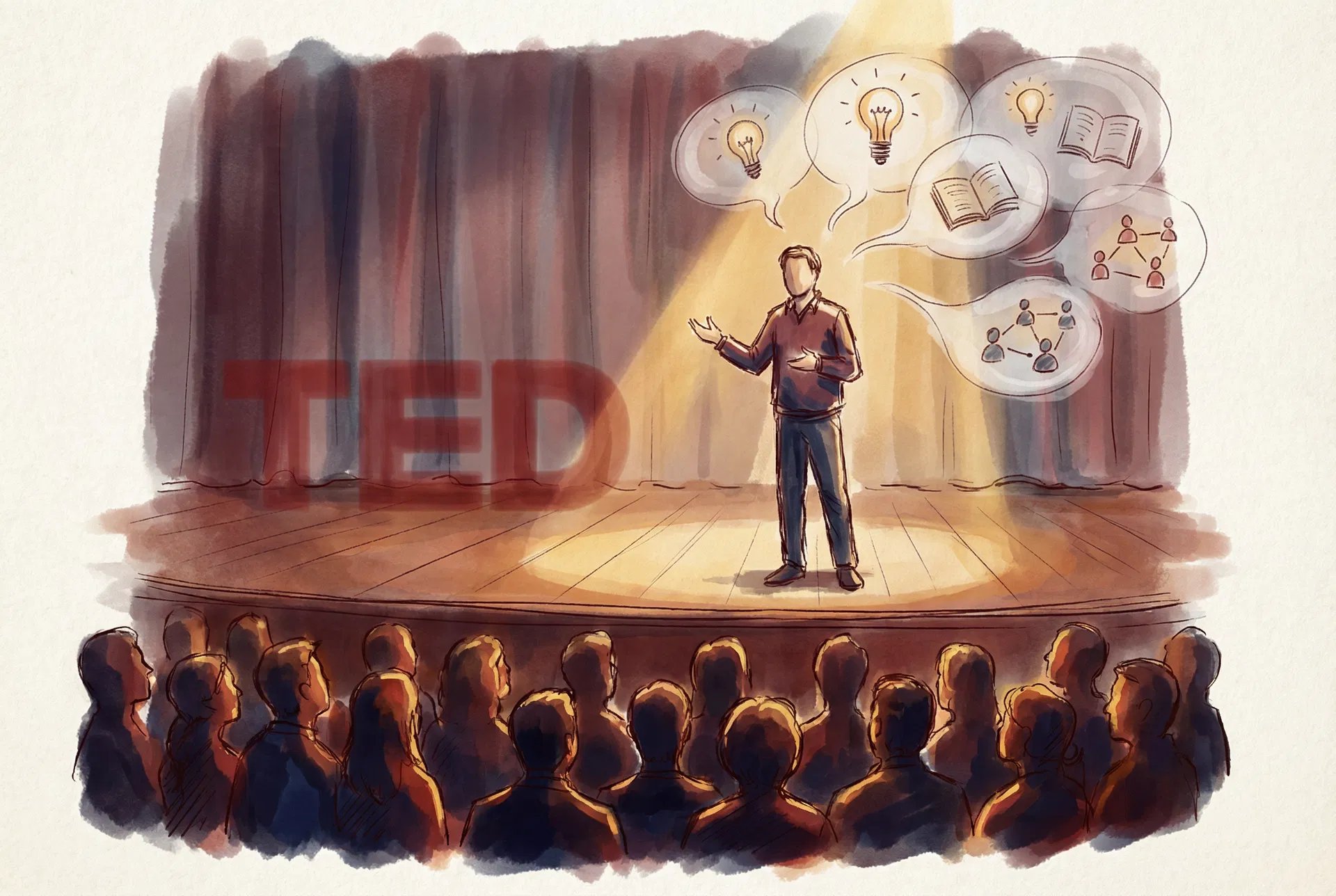
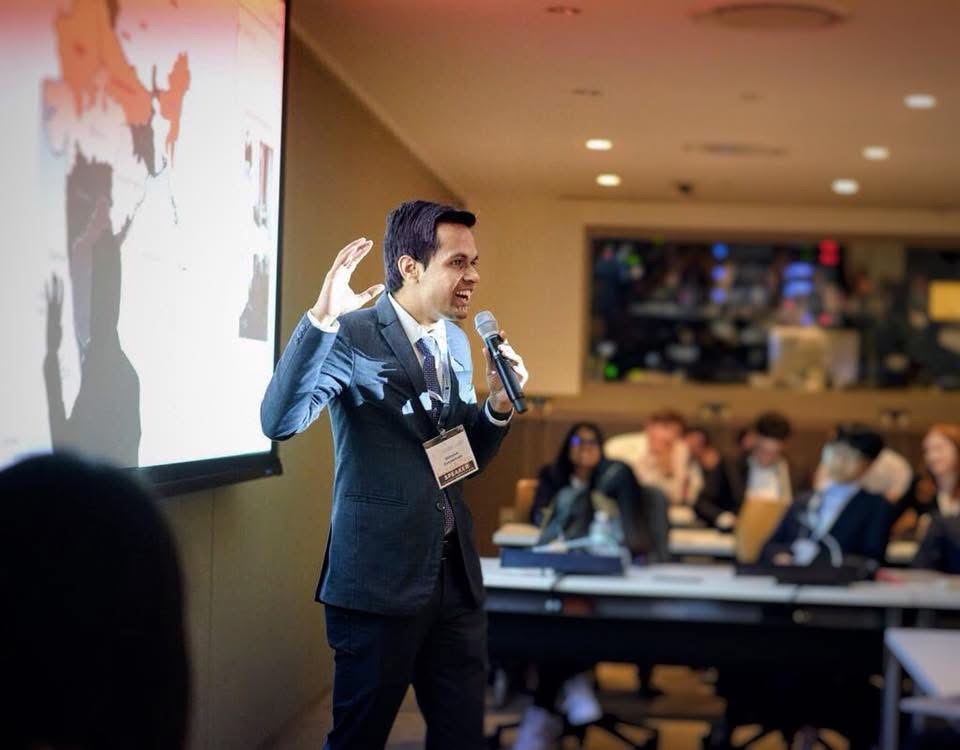
In 2009, TEDx was still a relatively new concept. The idea that anyone could organize a local, independently run TED event was exciting, and only a handful of people in India were exploring it. I was one of the first TEDx organizers in the country, and TEDxPune quickly became a platform where ideas could reach beyond the usual English-speaking, urban conference circuit.
What set my approach apart was a conviction that TEDx shouldn't just be another English-language event for the privileged. I became the first TEDx curator to secure a license specifically to host events for underprivileged communities, and the first to translate and dub TEDx talks into regional Indian languages. The Bill and Melinda Gates Foundation funded TEDxPune, recognizing the potential of bringing world-class ideas to audiences who had never had access to them before.
Within the first two years, I organized over 50 TEDx events. The focus was never just about importing western ideas into India. It was equally about giving Indian ideas a platform on the global stage, making sure the exchange went both ways.
From Marriott to the Community
I hosted TEDx events at the Marriott, and within the same period, I organized them in slum communities. That was deliberate. The point was to prove that idea exchange isn't limited by class status. Inspiration doesn't belong only to people who can afford a conference ticket at a five-star hotel. It belongs to everyone.
I may have been the first TEDx organizer to do this regularly, hosting events across such different settings within the same timeframe. The conversations at both places were equally powerful. A social worker from a slum community had insights just as valuable as a CEO on a Marriott stage. The only difference was that one had always had a microphone, and the other never had.
"Inspiration doesn't belong only to people who can afford a conference ticket at a five-star hotel. It belongs to everyone.
Taking It Global
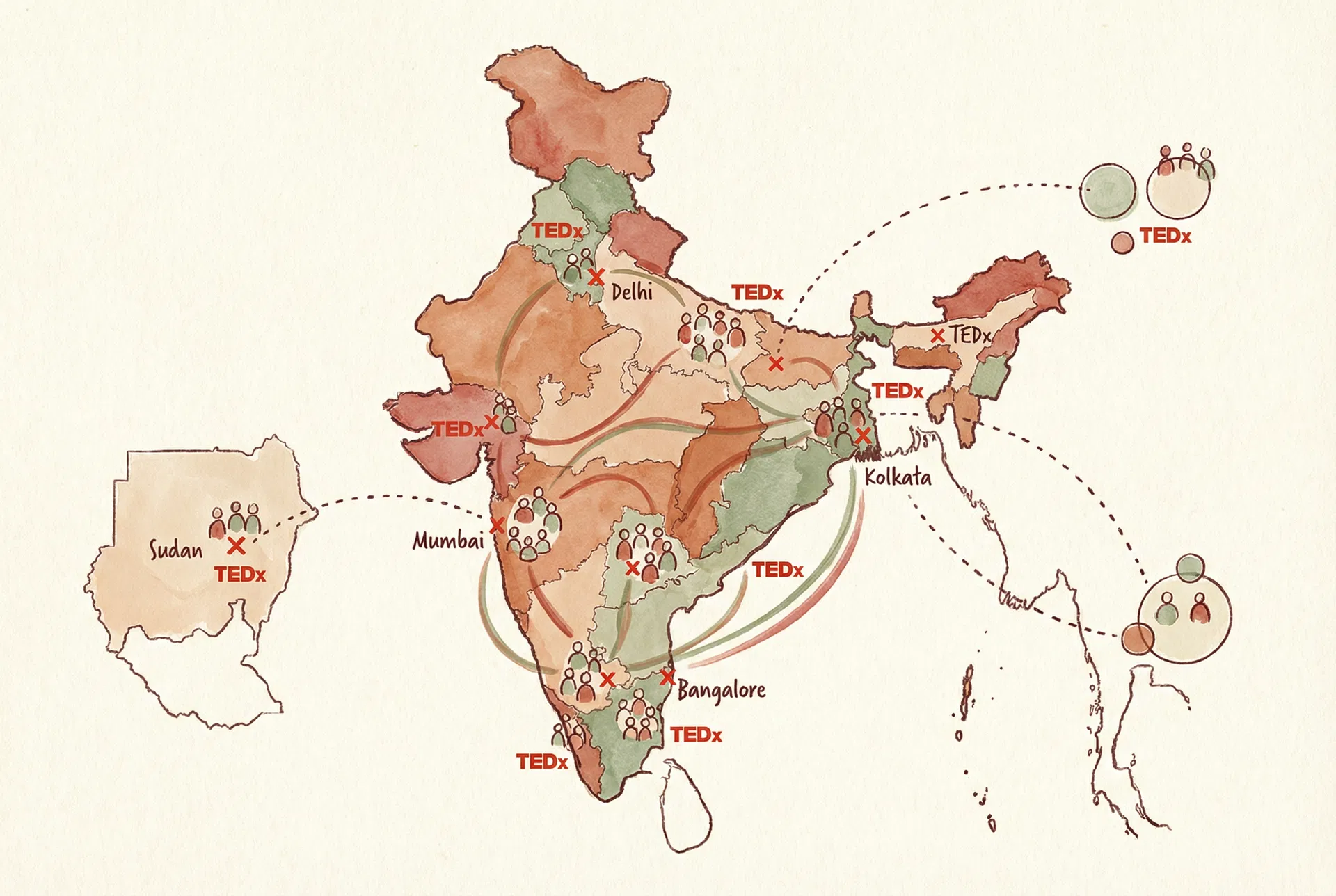
The TED Open Translation Project (TED-OTP) became my bridge between local organizing and global impact. I started hosting TED-OTP and localization workshops, training volunteers to translate and dub TEDTalks into Indian languages. But the work wasn't limited to India. I hosted workshops in Khartoum, Sudan, bringing the conversation about language access and open knowledge to an African audience.
Speaking at TEDxKhartoum was a reminder that the challenges of language barriers and information access are truly global. Whether it's a farmer in rural Maharashtra or a student in Sudan, the problem is the same: brilliant ideas exist, but they're locked behind languages that most of the world doesn't speak.
Building the Community
TEDx Licensee Groups in India
I started groups for TEDx licensees across India, creating a network where organizers could share knowledge, resources, and even sponsorships. Instead of every TEDx organizer figuring things out alone, we built a collaborative ecosystem. I hosted workshops for regional curators and made sure the lessons I learned from organizing 50+ events were passed on.
TED-OTP Meets Wikipedia: A First
I organized the first-ever collaboration between TED Open Translation Project volunteers and Wikipedia volunteers. Two communities that had never worked together before came together to explore how their shared passion for making knowledge accessible could multiply their impact. This was a small experiment that planted the seed for my later work bridging open knowledge communities.
TEDxChange with Gates Foundation
TEDxChange 2012 was a special TEDx event co-organized with the Bill and Melinda Gates Foundation and TED. It focused on global health and development challenges. Being part of this collaboration connected the dots between local community organizing and global impact.
Indian Ideas on a Global Stage
The mission was never one-directional. While bringing world-class ideas to Indian audiences, I was equally focused on giving Indian changemakers, social workers, educators, and grassroots innovators a platform to share their stories with the world. The exchange had to go both ways.
From TED to Wikipedia to AI
Looking back, the TEDx years were where the pattern first became clear. The problem wasn't a shortage of good ideas or useful knowledge. The problem was access. Language, geography, economic status, all of these created walls between people and the information that could change their lives.
The TED Open Translation Project was my first hands-on experience with the power of multilingual content. Watching a TEDTalk get translated into Marathi or Hindi and seeing the response from people who could finally engage with those ideas in their own language was transformative. The collaboration between TED-OTP and Wikipedia volunteers was a small proof of concept that open knowledge communities could work together. It led directly to my work on Wikipedia, where the stakes were even higher because we were talking about health information, not just inspiring talks.
Today, AI is accelerating what we started manually with TED-OTP. The tools I work with at Pickaxe AI and through Manus are making it possible to break language barriers at a scale we couldn't have imagined in 2009. But the mission hasn't changed. It's still about getting the right knowledge to the right people in the right language.
How This Connects
TED was the starting point. The experience of curating ideas and breaking language barriers set the foundation for everything that followed.
Wikipedia
TED-OTP's translation work evolved into Wikipedia's culturalization mission with SWASTHA.
AI & Technology
AI now automates what TED-OTP volunteers did manually, scaling translation to dozens of languages.
Healthcare
Healthcare awareness, from rare diseases to mental health, requires the same approach: accessible content in local languages.
Languages & Policy
The language access work with TED connects to government policy on Marathi and Indian languages.