Democratizing Intelligence
AI & Technology
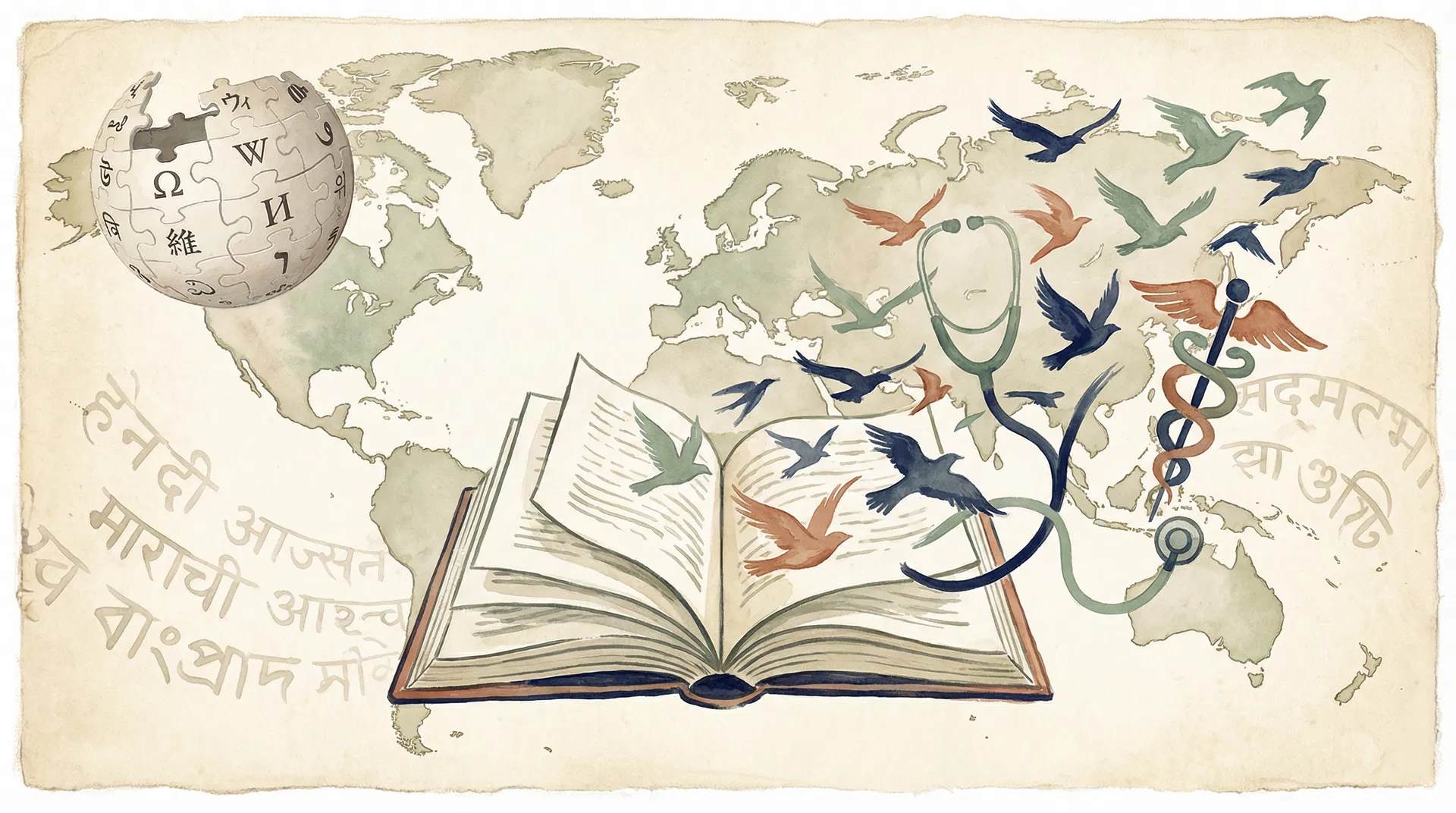
I believe human intelligence is unevenly distributed in society. Not because people are less capable, but because access has never been equal. AI can change that.
1M+
End Users Reached Monthly
1st
Visiting Scholar, UVA Data Science
2
AI Companies
15+
Years in Tech
Before the tools, before the companies, there was a simple observation. The smartest people I grew up with in India did not lack intelligence. They lacked access. Access to information, to tools, to platforms that could amplify what they already knew. AI, done right, is the great equalizer. That belief drives everything on this page.

Selling Pickaxes in the AI Gold Rush
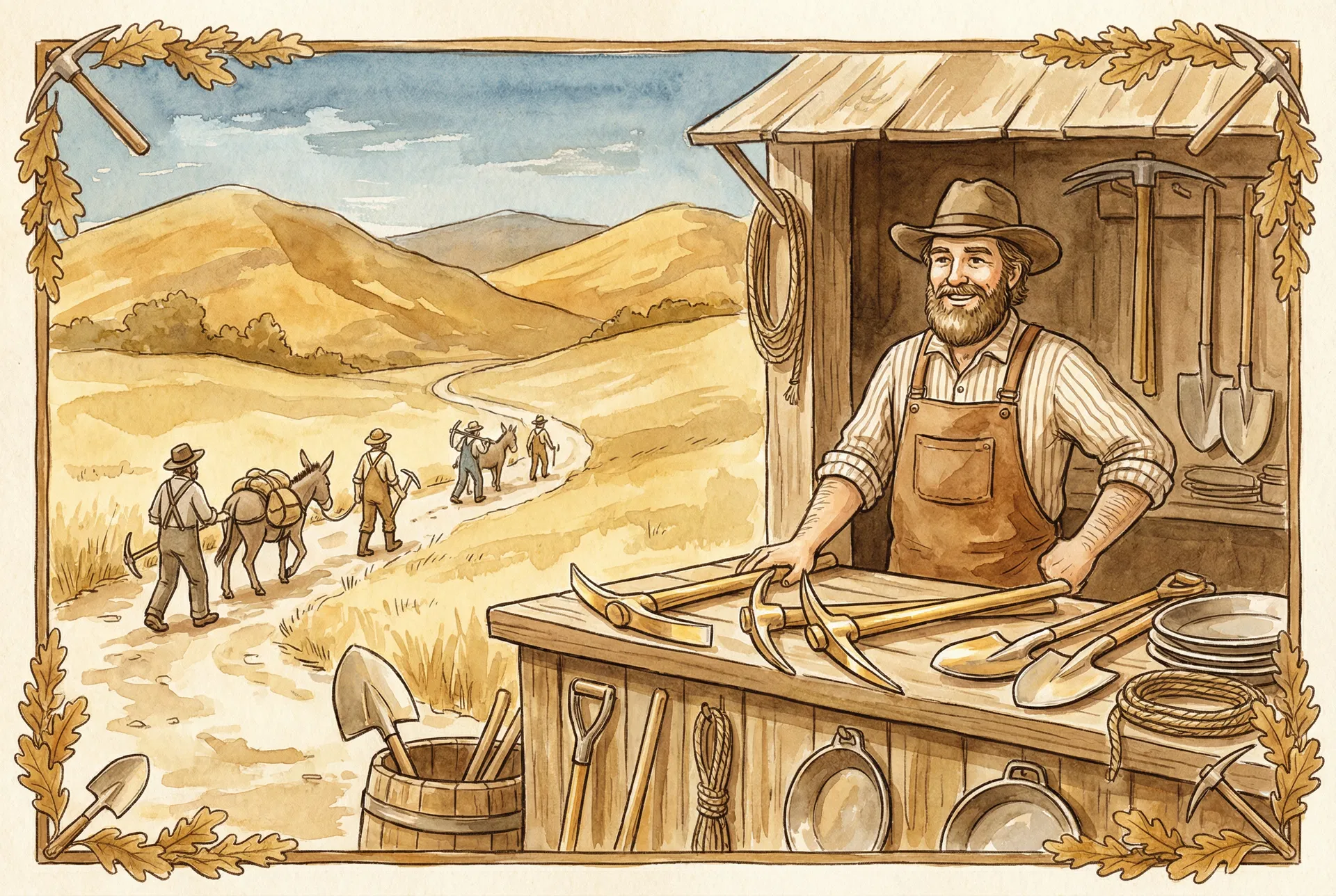
"The people who made the most money were the ones selling pickaxes."
The name Pickaxe comes from a story the company's CEO loves to tell. During the California Gold Rush, the people who made the most money were not the ones digging for gold. They were the ones selling pickaxes, shovels, and supplies to the miners. That is the philosophy behind Pickaxe AI. Instead of building yet another AI model, the company is building the "Shopify for Agent-Powered Businesses," a platform that lets anyone create, customize, and sell AI agents without writing a single line of code. Over one million end users interact with Pickaxe-powered agents every month.
That philosophy resonated with me deeply. I have spent 15 years helping people access knowledge and tools they were told were not meant for them. When I joined Pickaxe as Director of Community Growth, the fit was natural. I serve as the bridge between the engineering team, the CEO, and the growing community of creators who are turning AI into actual businesses. I translate what the community needs into what the product team builds.
Most of our community is based in North America and Europe. These are not developers or engineers. They are coaches, consultants, educators, and small business owners who see AI as a way to scale what they already do well. My job is to make sure they succeed.
Pickaxe AI
Director of Community Growth. 1M+ monthly end users. Building the Shopify for Agent-Powered Businesses. Bridging engineering, leadership, and a global community of AI creators.
Building with Manus AI
In March 2025, I watched a video of the Manus AI Agent and something clicked. This was not another chatbot. This was a tool that could actually build things, deploy applications, and complete real tasks end to end. But here is the funny part. When I first heard the name "Manus," I thought it was Marathi. In Marathi, "manus" means a person, a human being. I thought someone had built an AI and named it "Human" in my language. It felt poetic. Turns out, the name actually comes from the Latin word for "hand," and the founders are from MIT. But I like my version better. An AI named after the word for human, in a language spoken by 83 million people. That felt like a sign.
I reached out, started participating in the community, and by May 2025, I was hosting events and building projects as one of the first Manus Fellows.
What I do with Manus is different from Pickaxe. At Pickaxe, I help people sell AI tools. With Manus, I gather real case studies of how people use AI agents in their daily work and share those stories with the Manus team. I host events across the New York, Connecticut, and Boston region. I co-hosted a workshop at Harvard on co-designing education with AI. I organized Manus's first birthday celebration in Boston. These are not pitch sessions. They are spaces where people show up, try things, and leave with something they built.
Manus AI
One of the first Manus Fellows. Hosting events, gathering case studies, and building real projects that show what AI agents can do in everyday work.
Read more about my work with Manus"The best way to empower people in the AI era is not to build tools for them. It is to teach them how to build and sell their own.
The Research Foundation
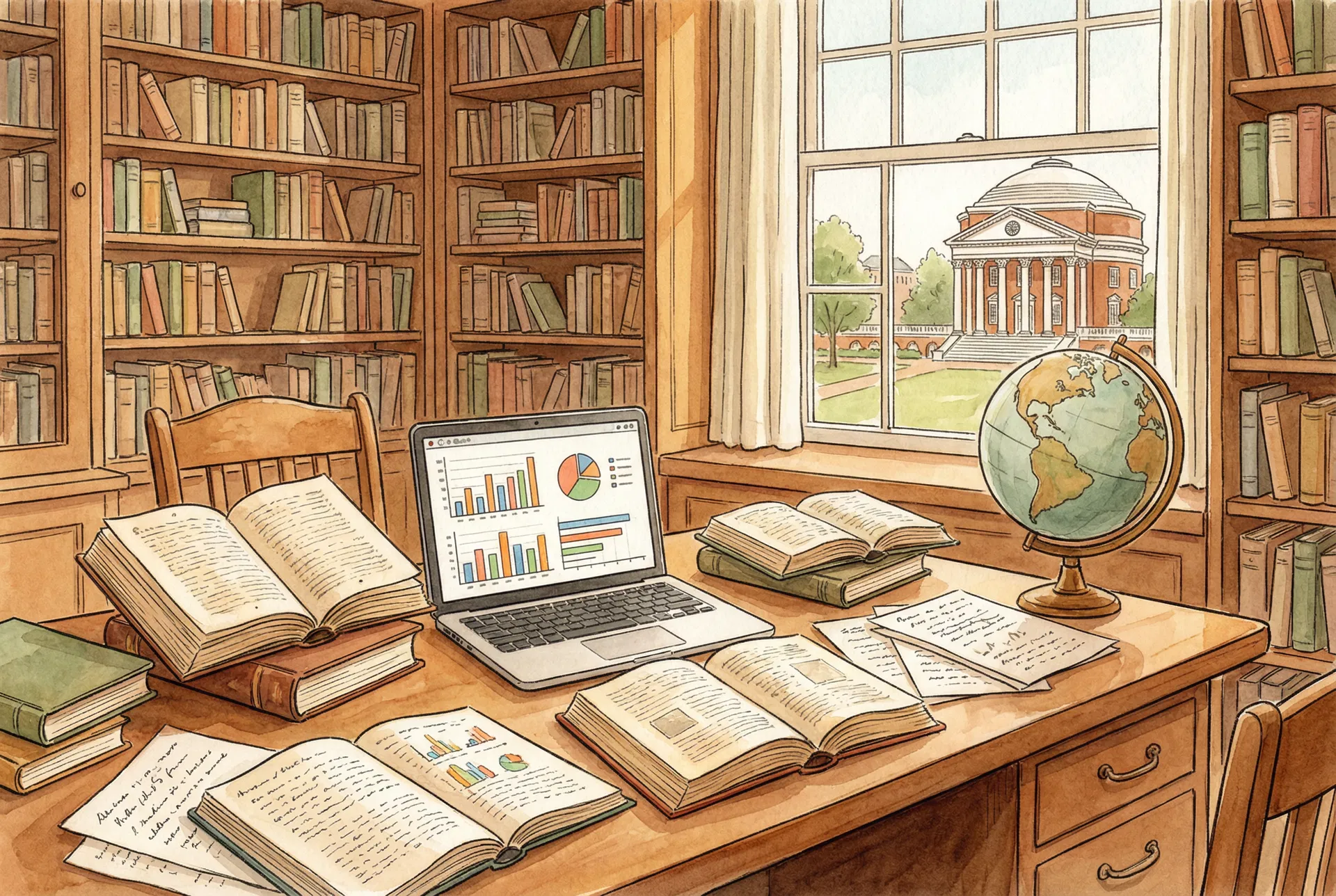
Before I worked at AI companies, I did the academic groundwork. I was the first-ever Visiting Scholar at the University of Virginia's School of Data Science. That is not a title they hand out casually. My research focused on Wikipedia datasets, Wikidata, and AI for multilingual knowledge dissemination. The core question was practical: how do you use AI to take knowledge that exists in English and make it genuinely useful in languages that have far fewer resources?
That research shaped everything I do today. When I work on MarathiAI, a platform that uses AI to bridge the gap between English-language information and Marathi-speaking communities, the approach comes directly from what I studied at UVA. When I think about how Pickaxe can serve non-English-speaking creators, or how Manus can help people in different countries, the foundation is the same: AI should work for everyone, not just the people who already speak the right language.
University of Virginia
First-ever Visiting Scholar at the School of Data Science. Research on Wikipedia datasets, Wikidata, and AI for multilingual knowledge dissemination.
MarathiAI
AI-powered platform for Marathi language preservation and knowledge access. Making knowledge accessible in the language 83 million people actually think in.
amarathi.orgWhen Governments Trust You
The Government of Maharashtra recognized the gap in Marathi language technology and has been working on initiatives to address it. My work with MarathiAI aligns with those efforts. When a state government with over 120 million people sees your work as relevant to their language technology goals, it says something about the credibility of the approach.
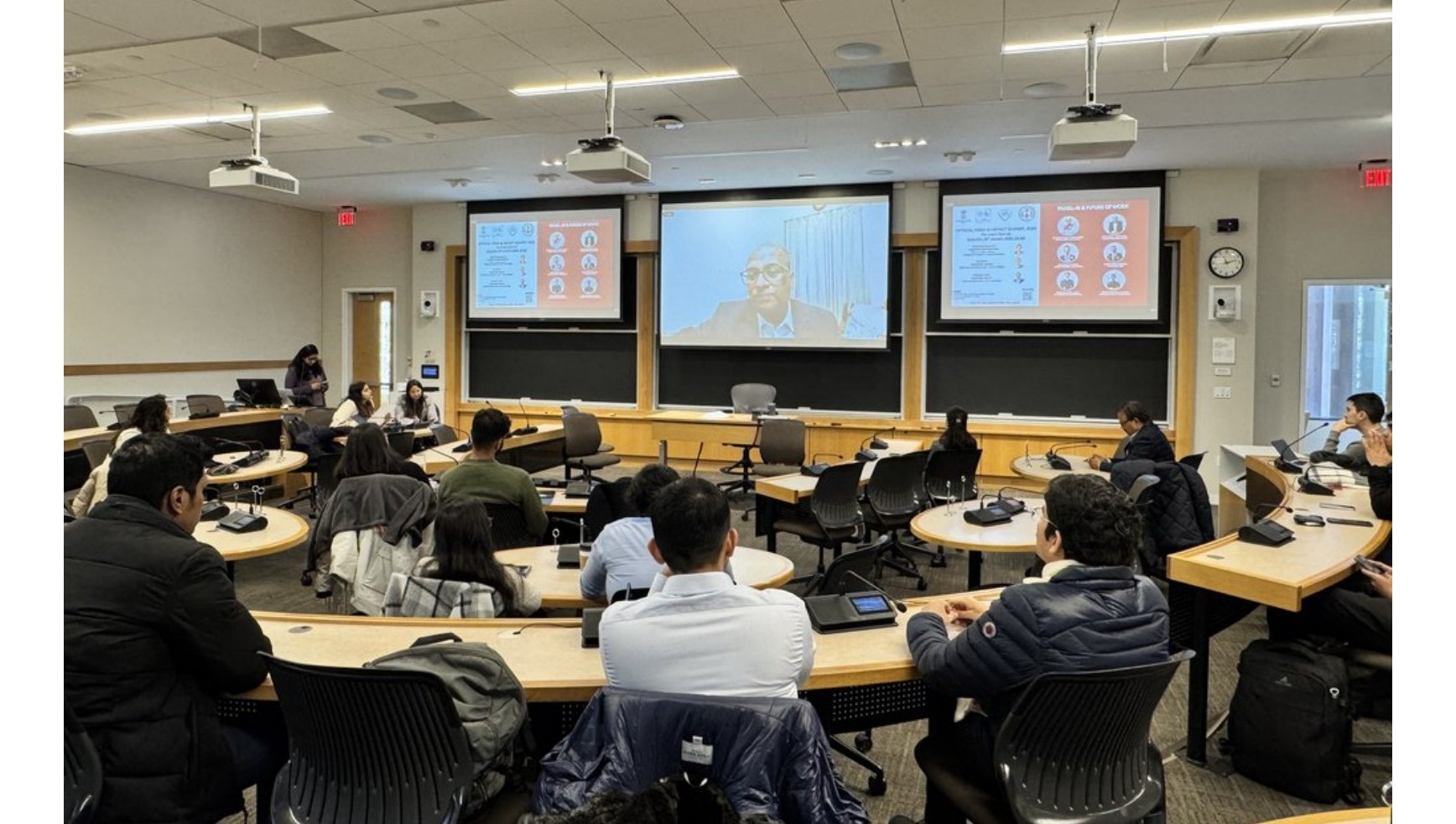
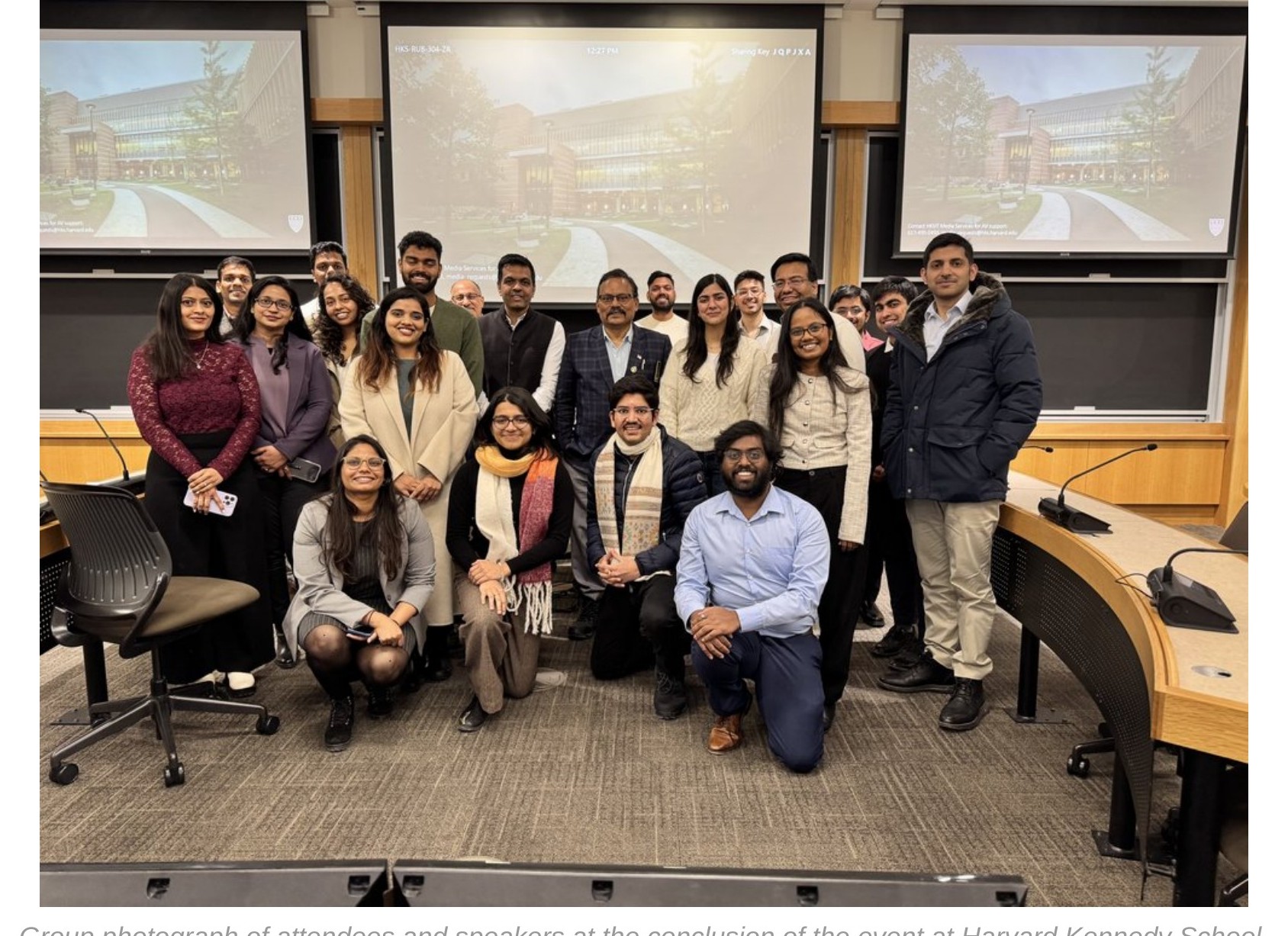
In January 2026, I organized the India AI Impact Summit at Harvard Kennedy School, themed "AI for the Global South: Bridging the Language Divide." The summit was officially approved and affiliated by the Ministry of Electronics and Information Technology (MeitY), Government of India. That is not a small thing. When a national government formally affiliates with your event, it signals a level of trust that takes years to build. Abhishek Singh, Additional Secretary at MeitY, delivered the keynote. The Deputy Consul General of India in Boston gave the welcome address. New Hampshire State Representative Santosh Salvi joined for a fireside chat. These are people who do not show up for events they do not take seriously.
Teaching AI Where It Matters
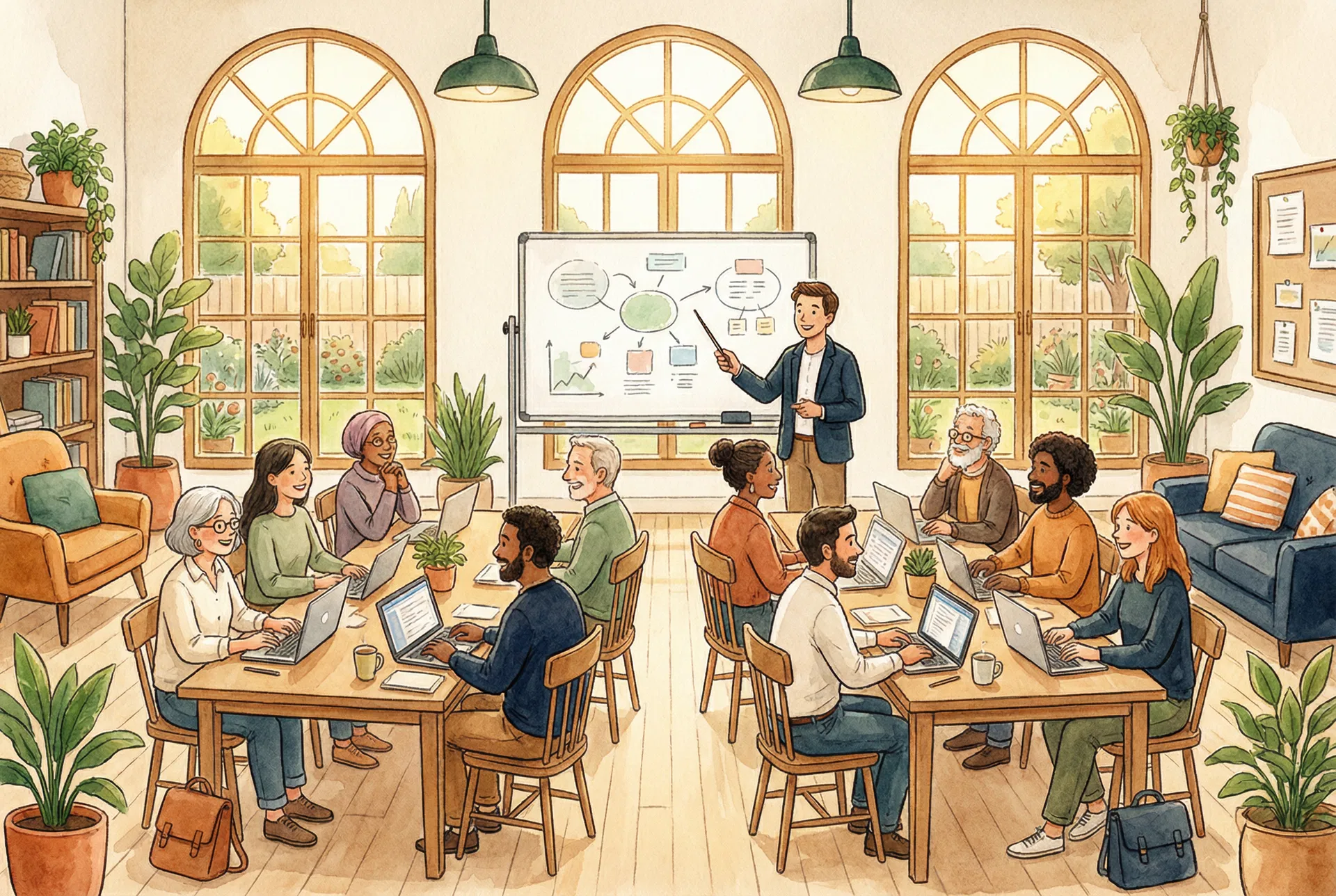

I lead the AI Group at Harvard through HSSPA, where I host events and workshops that bring together people from different schools and backgrounds. The conversations range from healthcare and policy to education and language preservation. The goal is always the same: make AI feel less like a distant technology and more like a tool people can actually use.
Beyond Harvard, I run hands-on AI workshops at public libraries and community spaces. At the Stamford Public Library in Connecticut, attendees learned to use AI tools for real tasks, from writing and research to building small projects. These are not lectures. People walk in curious and walk out with something they built themselves.
I also co-hosted "Co-Designing Education with AI" at Harvard, a workshop that brought together educators, technologists, and students to rethink how AI can reshape learning. The focus was practical: what does AI-assisted education look like when it is designed with the learner, not just for them?
The Tools I Build
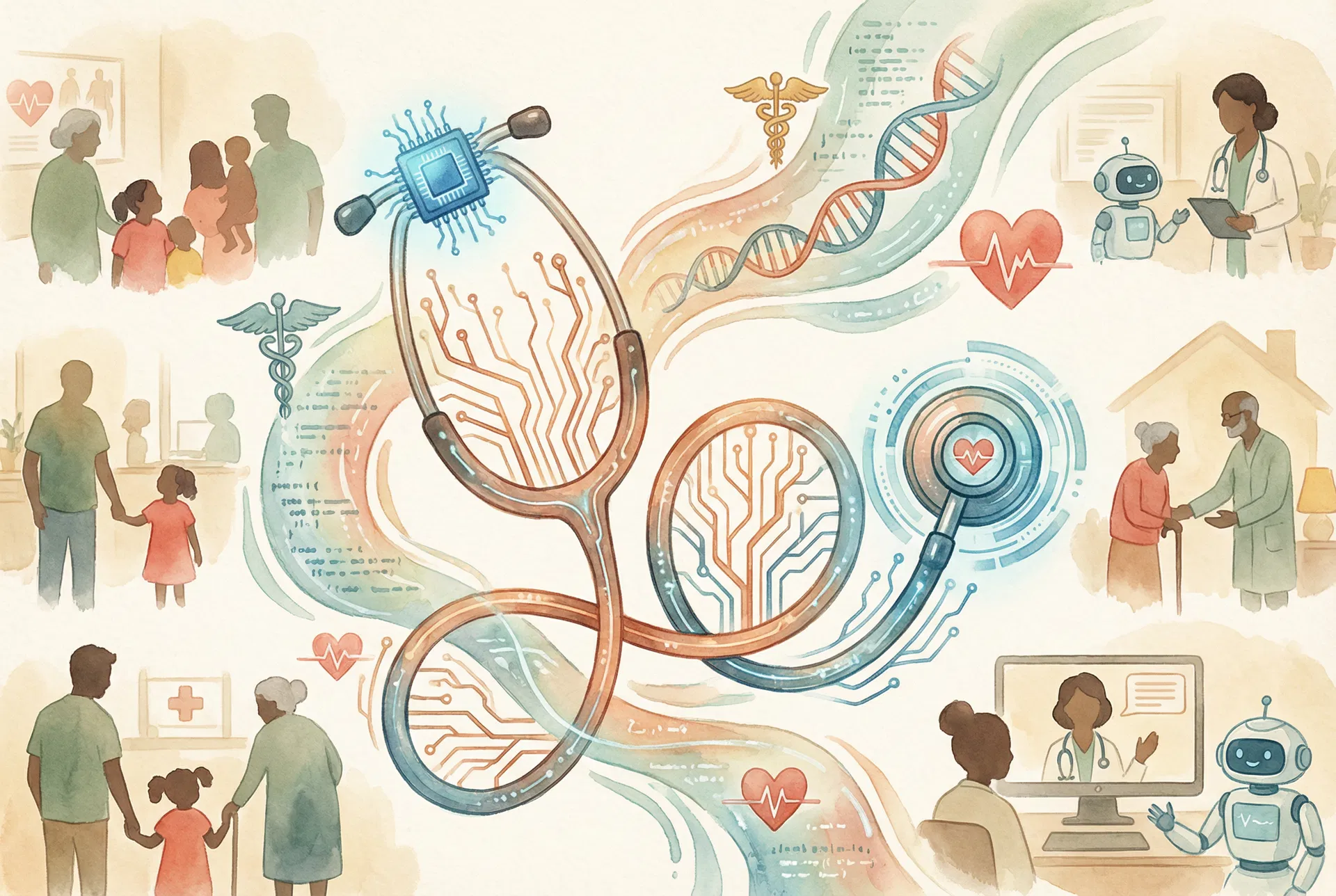
I do not just talk about AI. I build things with it. Every tool below started with a real problem I encountered in my own work or life. AI Side by Side came from wanting to help people compare AI models before trusting one. MarathiAI came from watching my own language get left behind by technology. Born Without Smell came from living with congenital anosmia and realizing most people have never heard of it. VeriSure AI came from the frustration of navigating health insurance in America.
AI Side by Side
Compare AI models with real-time responses. Before people can trust AI, they need to understand the differences. This tool puts that power in their hands.
MarathiAI
AI-powered platform for Marathi language preservation. Making knowledge accessible in the language 83 million people actually think in.
Born Without Smell
AI-powered educational platform for congenital anosmia awareness. Built from personal experience living with the condition.
VeriSure AI
AI health insurance navigator that proactively verifies coverage and helps patients understand their benefits before they get surprised by a bill.
How This Connects
AI is the thread that runs through everything I do. Each area of work, from Wikipedia to healthcare to language policy, benefits from AI tools that can scale what humans do manually. And each area teaches me something new about what AI still cannot do, which is where the real work begins.
Wikipedia
AI tools are transforming how we translate and culturalize Wikipedia content at scale.
TED & TEDx
What TED-OTP volunteers did manually, AI can now do across dozens of languages simultaneously.
Healthcare
AI powers healthcare initiatives from SWASTHA to the anosmia awareness platform.
Languages & Policy
AI tools for Marathi and other Indian languages support government language preservation goals.
Manus AI
As a Manus Fellow, I host events and build projects that show what AI agents can do in the real world.